The cost of a failure is different too. A blocked line at home is an inconvenience. The same blockage in a restaurant kitchen closes the kitchen, and every hour it stays closed has a number attached. That changes the order of work: isolate and restore service first, diagnose properly second, and schedule the permanent repair around trading hours rather than against them.
How commercial work differs
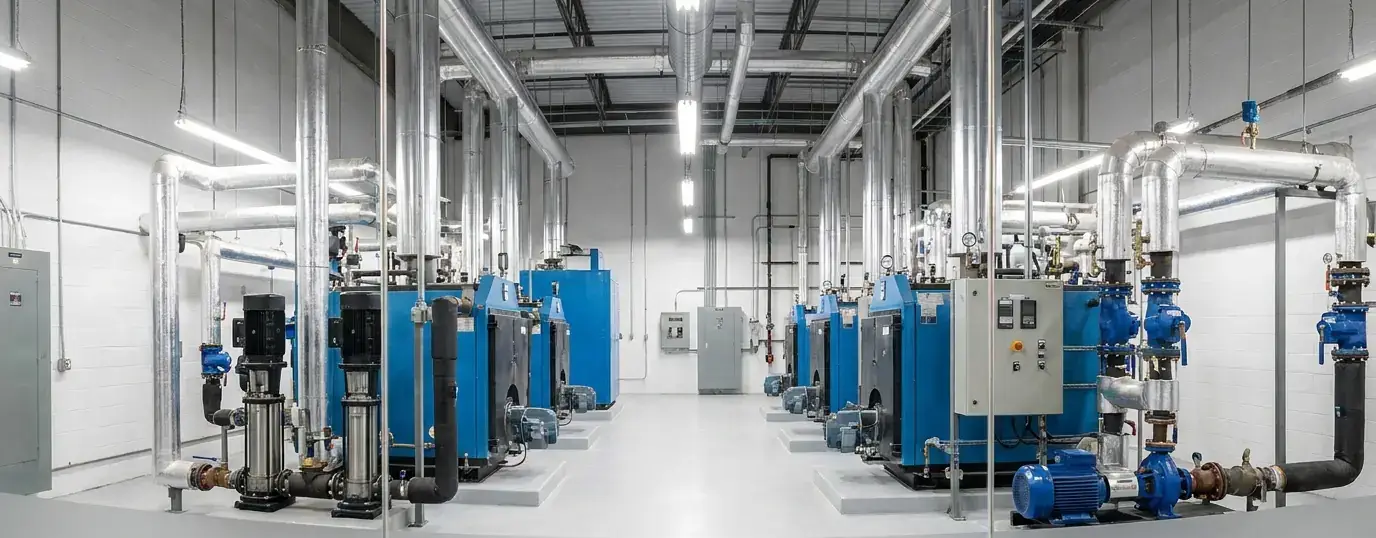
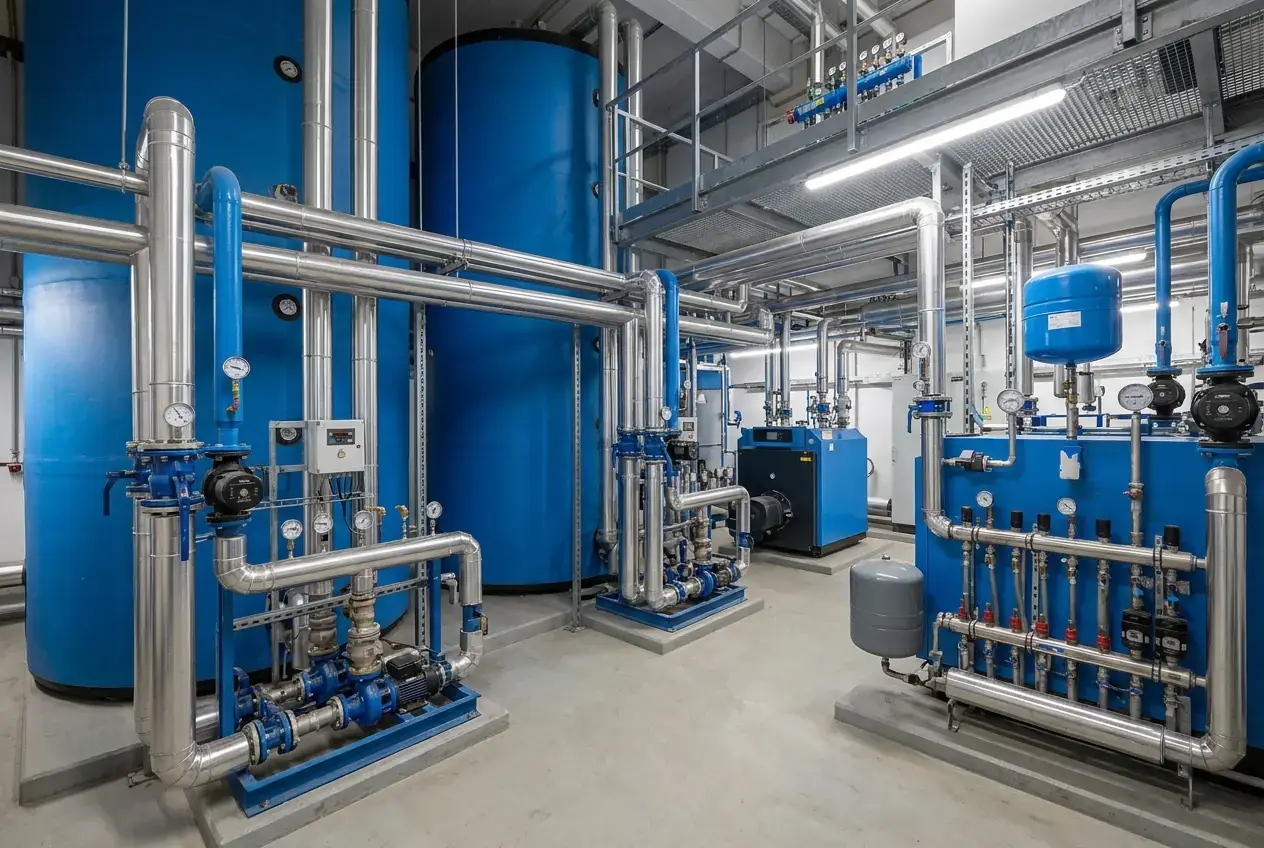
The equipment is different: grease interceptors, backflow prevention assemblies, commercial water heaters, floor drains, mop sinks and larger diameter waste lines.
The obligations are different too. Food service facilities have grease management requirements, backflow assemblies generally require periodic testing by a certified tester, and a health inspection puts any plumbing failure on a clock.
Scheduling is different again. Much commercial work happens outside trading hours, and access, tenant coordination and site rules all shape how a job gets planned.
Common causes and problems
- Grease interceptor issues
- Undersized, overdue for service, or no longer holding back what it should, which leads to line blockages and compliance problems at the same time.
- Recurring main line blockages
- High volume waste lines in restaurants and multi-tenant buildings block for different reasons than household drains, and they block more often.
- Backflow prevention failures
- Assemblies that fail a test or need repair. Testing requirements are generally set by the water provider rather than the property owner.
- Commercial water heating capacity
- Systems that cannot keep up with peak demand, or that fail and take a kitchen or a restroom block out of service.
- Restroom fixtures and flush valves
- High-use fixtures, sensor faucets and flushometers that need proper repair rather than wholesale replacement.
- Ageing building piping
- Supply and waste systems in older commercial buildings reaching the point where repairs stop being economical.
Signs you may need commercial plumbing
None of these confirm a diagnosis on their own. They are the symptoms worth acting on rather than watching.
- Slow floor drains or recurring backups in a kitchen area
- Odour complaints from tenants or customers
- A grease interceptor needing service more often than it used to
- Water pressure complaints across multiple units
- A backflow test that came back failed
- Water bills rising across a property with no operational change
If several of these apply at once, treat it as more urgent than any one of them would be alone.
How commercial jobs are typically handled
- Step01
Site assessment
Understanding the system, fixture count, access, operating hours and any compliance deadline already in play.
- Step02
Scheduling around operations
Most work is planned for closed hours or low traffic periods to limit disruption to trade.
- Step03
Diagnosis and documentation
Camera inspection, testing and written findings, which property managers usually need for records or for owner approval.
- Step04
Permits and compliance
Commercial work is more likely to require permits, inspections and certification paperwork than residential work.
- Step05
Repair or installation
Carried out to commercial standards with materials appropriate to the system and its duty.
- Step06
Preventive scheduling
Interceptor service intervals, backflow testing dates and drain maintenance planned rather than handled reactively.
Licensing, documentation and liability
Commercial work carries documentation requirements that residential work usually does not: permits, inspection sign-off, backflow test reports and interceptor service records.
Plumbing licences in Texas are administered by the Texas Department of Licensing and Regulation, and commercial clients should verify licence and insurance before work starts.
Ask for a written scope, documentation of what was done, and copies of any certification the property needs to keep on file.
Where this service is available
Requests are routed to plumbing professionals covering Prosper, TX 75078 and the surrounding communities across Collin County and Denton County.
The Prosper service area page covers the local conditions that affect plumbing here, including soil movement, slab construction and attic water heater installations. Each surrounding community has its own page, because the housing age and the ground underneath it are not the same in all of them.
Commercial Plumbing questions
Do you handle restaurants and food service?
Commercial requests, including food service, are referred to plumbing professionals who take that type of work. Grease interceptor service, drain maintenance and kitchen fixture work are common requests.
Can work be scheduled outside business hours?
Most commercial plumbing is scheduled around operating hours. Availability depends on the provider, so include your preferred window when you send the request.
How often does a backflow assembly need testing?
Testing requirements are generally set by the water purveyor and commonly run on an annual cycle. Confirm the requirement and the schedule that apply to your property with the Town of Prosper.
Do you work with property managers?
Yes. Requests from property managers and building owners are routed the same way, and documentation requirements can be noted with the request.
Who is responsible for permits on commercial work?
The licensed plumbing contractor performing the work normally pulls permits and coordinates inspection. Confirm that as part of the scope before work begins.
Related services
- Drain CleaningSlow or blocked kitchen, bathroom and main line drains, including camera inspection when a clog keeps coming back.
- Sewer Line RepairCamera inspection, spot repair, trenchless options and full replacement for failing main sewer lines.
- Emergency PlumbingBurst pipes, active leaks, sewage backups and no-water situations that cannot wait for a scheduled appointment.
- Water Heater ReplacementTank and tankless replacement, including sizing, attic installations, expansion tanks and permitting.