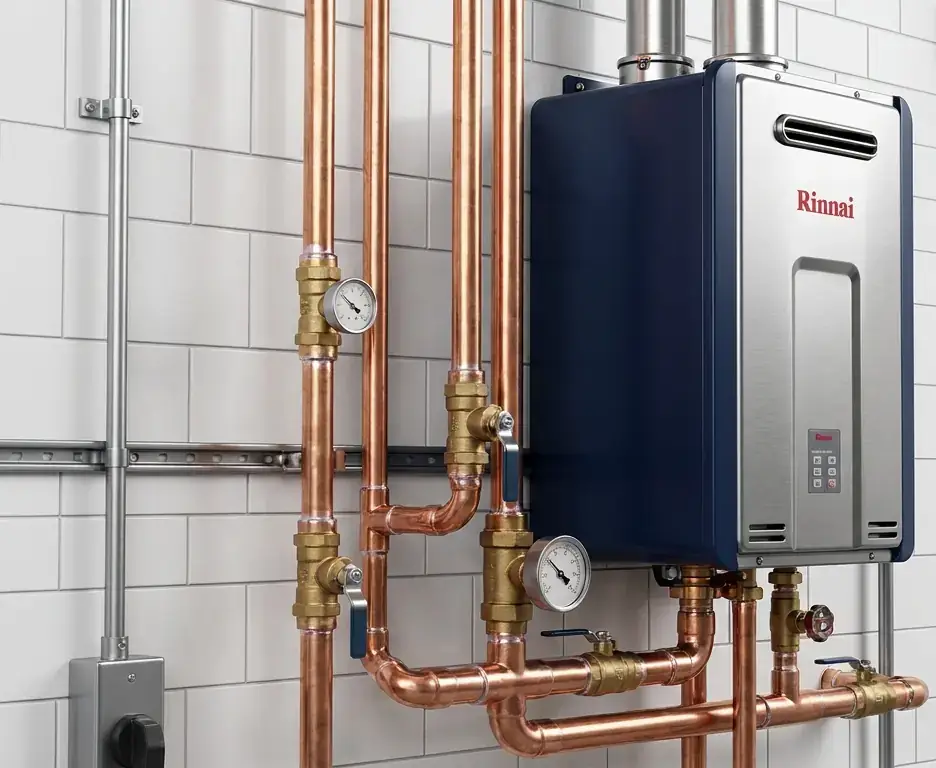
Sizing is where most of the regret comes from. Too small and the house runs out halfway through a morning. Too large and you pay to keep water hot that nobody uses. Fuel type, the number of bathrooms, how much demand lands at once, and whether the unit sits in an attic or a garage all narrow the choice long before brand comes into it.
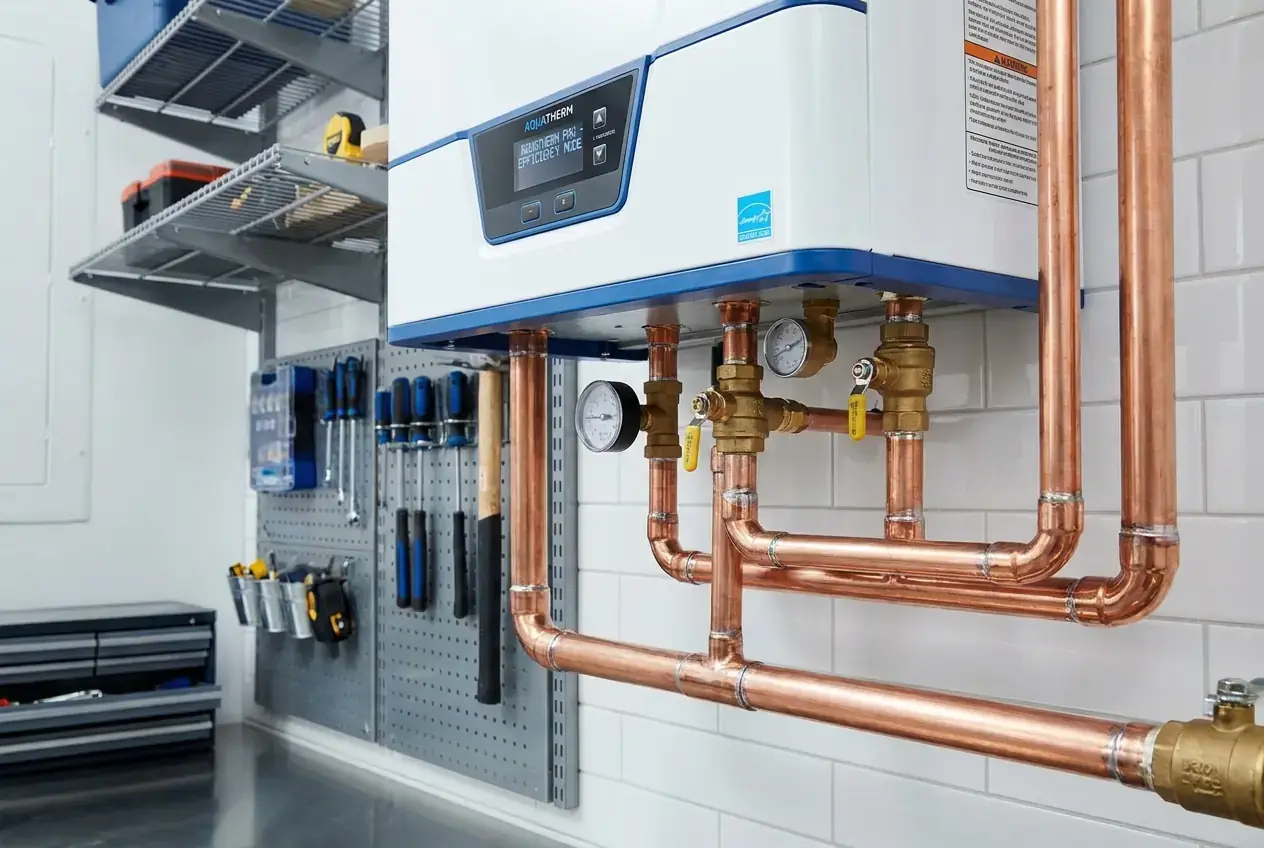
Choosing a replacement
Three decisions drive everything else: fuel type, storage or tankless, and capacity. Fuel is usually settled by what is already there, since converting between gas and electric means new gas supply, venting or circuit work.
Capacity is about peak demand rather than household size alone. Two showers running while the dishwasher fills is a different requirement from the same household using fixtures one at a time.
Location matters here because a large share of homes in this part of North Texas have the water heater in the attic. An attic install needs a correctly sized drain pan, a pan drain routed to an approved discharge point, and enough access for future service.
Common causes and problems
- A tank that has corroded through
- Once the shell itself leaks the unit is finished. No repair returns a perforated tank to service.
- Repeated repairs on an ageing unit
- Two or three service calls on a heater in its second decade usually adds up to more than replacing it would have cost.
- Never enough hot water
- An undersized tank, or one carrying enough sediment that its usable capacity has dropped well below its rating.
- Energy use creeping up
- Sediment insulates the burner from the water, so the unit runs longer to reach the same temperature.
- An installation that was never right
- A missing expansion tank, an undersized pan, unsupported venting or a pan with no drain. Replacement is the point at which those get corrected.
Signs you may need water heater replacement
None of these confirm a diagnosis on their own. They are the symptoms worth acting on rather than watching.
- The unit is more than about ten years old and has started needing repairs
- Rust or moisture staining on the tank body itself
- Water sitting in the drain pan that is not condensation
- Hot water runs out much faster than it used to
- A repair quote approaching a meaningful share of replacement cost
- You are remodelling or adding fixtures that will increase hot water demand
If several of these apply at once, treat it as more urgent than any one of them would be alone.
What a replacement job involves
- Step01
Sizing and selection
Peak demand, fuel type, available space, venting and budget. For tankless, gas line capacity and venting are usually the deciding constraints.
- Step02
Permit and code compliance
Water heater replacement typically requires a permit and inspection in North Texas municipalities. The licensed plumbing company normally pulls it as part of the job.
- Step03
Removing the old unit
Draining the tank, disconnecting water, gas or electrical, and getting it out of the space. That last part is a genuine consideration for attic installations.
- Step04
Installing the new unit
Connections and shut-off valve, expansion tank where required, strapping, drain pan and pan drain, and correct venting on a combustion unit.
- Step05
Commissioning and inspection
Filling, purging air, leak checking, setting temperature, verifying draft on a gas unit, and meeting the inspector where the permit requires it.
Installation quality matters more than the brand on the box
Most failures traced back to installation are mundane: no expansion tank on a closed system, a pan drain that terminates somewhere useless, venting that is undersized or unsupported, or a unit positioned where it cannot be serviced without dismantling something.
Plumbing licences in Texas are administered by the Texas Department of Licensing and Regulation, and licence status can be checked before work starts.
Manufacturer warranty terms usually require professional installation. Keep the invoice, model number and serial number together somewhere retrievable.
Where this service is available
Requests are routed to plumbing professionals covering Prosper, TX 75078 and the surrounding communities across Collin County and Denton County.
The Prosper service area page covers the local conditions that affect plumbing here, including soil movement, slab construction and attic water heater installations. Each surrounding community has its own page, because the housing age and the ground underneath it are not the same in all of them.
- Tank or Tankless: Choosing a Replacement Water HeaterAn honest comparison of storage tank and tankless water heaters, including the installation constraints that usually decide it in North Texas homes.
- Water Heater Warning Signs Worth Acting OnWater heaters usually give notice before they fail. Here are the signals that matter, what each one typically means, and which ones justify a same-day call.
Water Heater Replacement questions
Tankless or tank, which is better?
Tankless units deliver continuous hot water, take up less space and generally last longer, but installation is more involved and often needs gas line and venting upgrades. Tank heaters cost less to install and are simpler to service. The right answer depends on the existing infrastructure and how the household actually uses hot water.
How long does replacement take?
A like-for-like tank swap is often a half day. Tankless conversions, attic installs with difficult access, and jobs needing gas or electrical upgrades take longer. The installing company can estimate realistically after seeing the space.
What size water heater do I need?
Sizing should be based on peak simultaneous demand rather than a rule of thumb about bedroom count. A plumber will look at fixture count, usage patterns and recovery rate.
Do I need an expansion tank?
Where a backflow preventer or pressure reducing valve creates a closed system, thermal expansion has nowhere to go and an expansion tank is generally required. Many homes in this area fall into that category.
Who pulls the permit?
The licensed plumbing company doing the work normally pulls the permit and schedules the inspection. Confirm that in writing before the job starts.
Related services
- Water Heater RepairNo hot water, rust on the hot side, rumbling tanks and tankless error codes on gas, electric and tankless units.
- Emergency PlumbingBurst pipes, active leaks, sewage backups and no-water situations that cannot wait for a scheduled appointment.
- Pipe Repair and RepipingLeaking, corroded, frozen and burst pipes, plus rerouting and whole-house repiping when repairs stop making sense.
- Leak DetectionLocating hidden leaks with acoustic, pressure and thermal methods before anyone opens a wall or a slab.